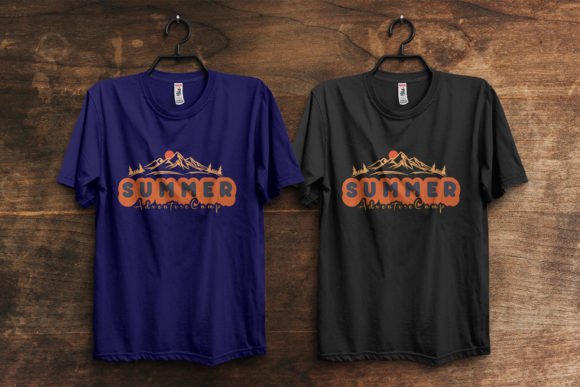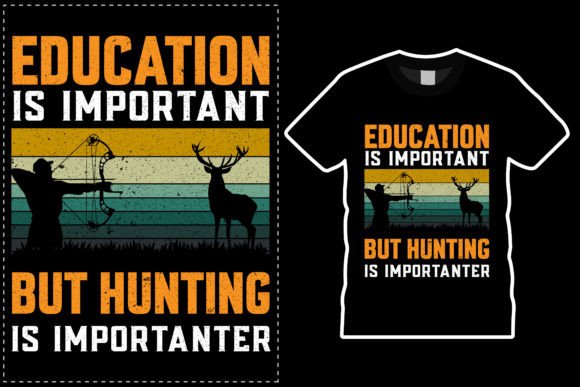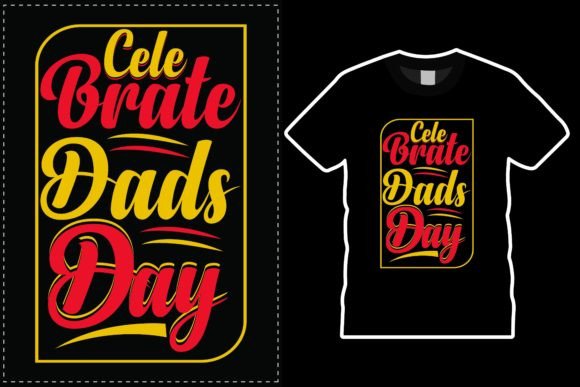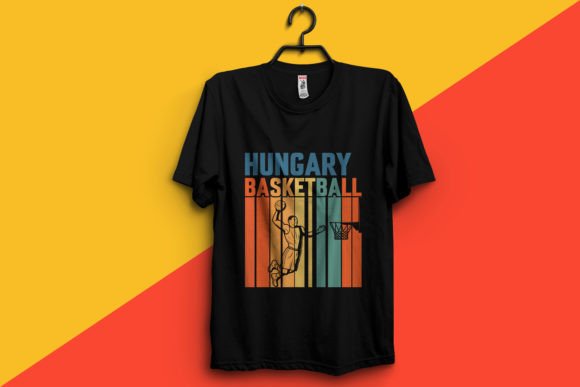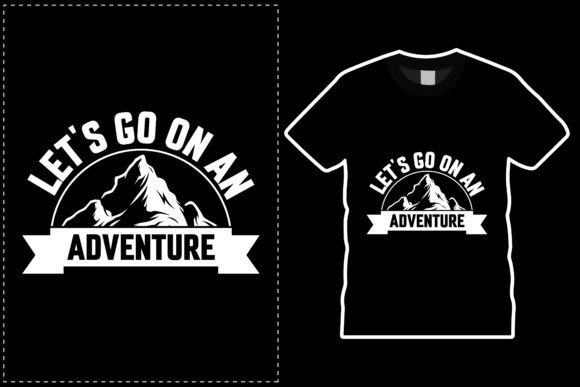
Adventure T-Shirt Design Vector Graphics
A Designer’s First Look: Whimsy with Wearability
When I opened Adventure T-Shirt Design Vector Graphics, my first thought wasn’t “cute” — it was “usable.” The phrase *“Let’s go on an Adventure”* lands with gentle energy, not forced cheer. The letterforms are rounded but purposeful, with subtle hand-drawn warmth that avoids looking overly digital or stiff. There’s no excessive ornamentation — no tiny stars crowding the corners, no fragile flourishes that would vanish under satin stitch. That’s a relief. As someone who’s stitched this exact sentiment onto baby onesies, tote bags for local hiking co-ops, and aprons for indie coffee shops, I know how easily “adventure” designs tip into cliché or clutter. This one doesn’t. It breathes.
How It Stitches in Real Life (Not Just on Screen)
I tested Adventure T-Shirt Design Vector Graphics across three real-world projects: a medium-weight cotton tote bag (for a small outdoor gear boutique), a soft French terry sweatshirt (custom order for a teacher’s classroom reward), and a 4” embroidered patch sewn onto a linen pillow cover. In every case, the clean vector foundation translated well to stitch. The spacing between letters held up — no crowding, no awkward gaps — even when resized down to 3.5” wide for the patch. On the sweatshirt, I used a light cutaway stabilizer and ran a balanced fill stitch with moderate density; the text remained legible and soft to the touch, not stiff or plasticky. That matters — especially for baby embroidery or personalized gifts where comfort is part of the value.
Where It Shines — and Where to Pause
This design excels on stable, medium-to-heavy fabrics: canvas totes, denim jackets, tea towels, nursery blankets, and structured caps. Its open letterforms and generous counters (the negative space inside letters like “o” and “a”) resist distortion on curved surfaces like baseball caps — something many script-based designs fail at. I’ve seen similar phrases turn muddy on dark fabric when stitch density isn’t adjusted; here, the natural weight of the typeface means you won’t need heavy underlay or extra passes to make it pop on navy or charcoal.
That said, use caution on ultra-thin knits (like lightweight jersey tees) without proper stabilization — the design’s modest height and flow rely on fabric support. Also, avoid shrinking it below 2.75” wide unless you’re confident in your machine’s ability to render fine curves cleanly. Tiny lettering risks skipped stitches or thread breaks, especially with metallic or high-sheen threads. And while the vector files give full color control, remember: contrast is king. Test your chosen thread colors against both light and dark fabric backgrounds using a simple black-and-white mockup — not just the included JPG mockup, which shows only one scenario.
Beyond the Stitch: What This Design Does for Your Business
As an Etsy seller and small shop product developer, I don’t just ask *“Will it stitch?”* — I ask *“Will it sell?”* Adventure T-Shirt Design Vector Graphics supports authenticity, not just aesthetics. It reads as handmade, not mass-produced — thanks to its editable vectors and lack of over-engineered effects. Customers notice that. A boutique owner told me her customers specifically asked, *“Is this hand-lettered?”* after seeing it on a linen tea towel. That perception lifts perceived value, builds trust, and makes the finished product feel intentional — not generic.
For craft fairs or holiday markets, this design works double duty: it’s warm enough for baby shower gifts (“Adventure awaits!” on a onesie), grounded enough for men’s apparel (“Let’s go on an Adventure” on a flannel shirt cuff), and versatile enough for branding — think matching aprons and tote bags for a local trail guide service. Because it’s delivered as Print Templates and Graphics — AI, EPS, SVG, DXF, PNG, and JPG with transparent background — you can adapt it beyond embroidery: screen printing, vinyl cutting, sublimation, or even hand-painted signage. That flexibility is gold for creative entrepreneurs juggling multiple product lines.
Practical Notes from the Hoop
- Always test first: Run a sample on scrap fabric identical to your final project — same weave, stretch, and weight.
- Stabilizer isn’t optional: Use tear-away for stable wovens, cutaway for knits or textured fabrics like terry cloth.
- Check the corners: Zoom in on vector files — look for smooth anchor points, not jagged nodes. Clean paths = cleaner stitches.
- Review licensing carefully: Since this includes 100 editable files and 100 color-changeable options, confirm whether commercial use (e.g., selling embroidered totes on Etsy) is permitted — and whether resale of the digital file itself is allowed.
- Mockups aren’t magic: The included high-res JPG mockup helps visualize presentation, but it won’t tell you how the satin stitch edge will catch light on a real sweatshirt. Pair it with physical testing.
Final Thought: A Reliable Anchor in Your Design Toolkit
Adventure T-Shirt Design Vector Graphics isn’t flashy — and that’s why it’s effective. It meets the quiet needs of embroidery designers and small business owners: clarity at scale, adaptability across fabric types, visual warmth without fragility, and professional-grade vector assets that behave predictably in software and on the machine. Whether you’re stitching a single personalized gift or producing 50 custom patches for a summer camp, this design holds its ground. It doesn’t shout. It invites. And in the world of handmade product and commercial embroidery, that kind of quiet confidence is rare — and deeply useful.