Retro Vintage Sunset Huntsville T-Shirt: A Designer’s Embroidery Review
I pulled up the files for the Retro Vintage Sunset Huntsville T-Shirt design late on a Thursday evening, with a half-finished custom tote bag order sitting right next to my machine. The brief was simple: a client preparing for a local Huntsville makers market wanted something nostalgic, something that felt like the golden hour over the Tennessee Valley, but clean enough to stitch onto canvas without turning into a muddy mess. I opened the SVG, zoomed in, and immediately started counting the potential thread changes. Right there, I knew this one had a real shot at becoming a quiet bestseller in my small embroidery shop.
First Look at the Retro Vibe That Sells Itself
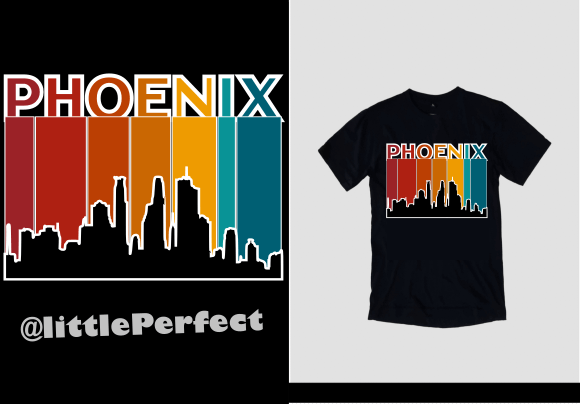
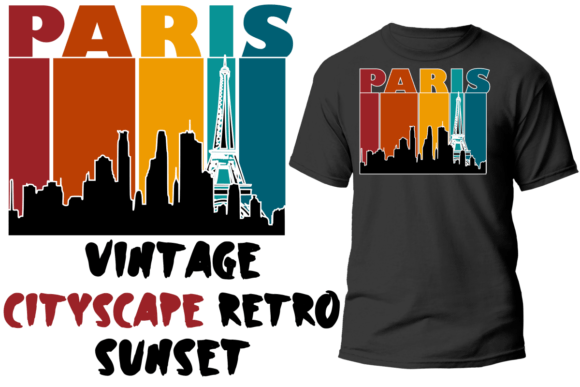
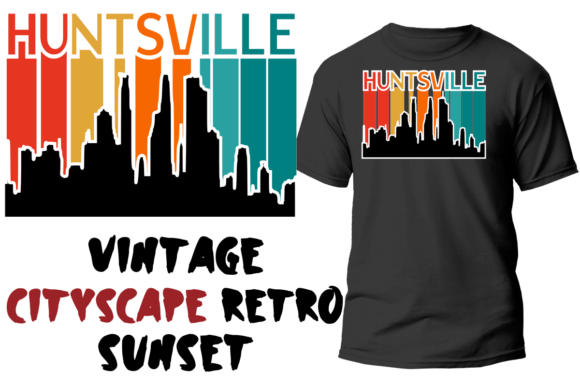
This isn’t a generic clip-art sunset. The Retro Vintage Sunset Huntsville T-Shirt design carries a deliberate late-70s to early-80s warmth—the kind you see on worn-out souvenir tees from roadside gift shops, but with cleaner lines. The sun sits low, broken into horizontal bands that suggest a setting or rising orb, while the word “Huntsville” arches above or sits boldly within the composition. There’s a hazy, almost groovy silhouette element that hints at mountains or pine trees, and the whole thing feels like a postcard you’d actually want to wear. For embroidery, that layered simplicity is a gift. Too many sunset designs get lost in gradients, but here, the distinct color blocks translate into distinct stitch sections. You can already picture a crisp satin stitch border separating each band, with a soft fill stitch inside.
Why This Design Makes Sense for Real Embroidery Work
Not every graphic works as an embroidery design. Most need heavy reworking to remove tiny floating elements or impossible fades. What sets this apart is its clear, defined edges. The Retro Vintage Sunset Huntsville T-Shirt has a poster-like quality, almost like it was originally built for screen printing, and that translates surprisingly well into a stitch file. The lettering is bold enough to avoid those dreaded 2mm-wide satin stitches that wobble on textured fabric. When I dropped a quick digitized preview into my software, the text retained its readability even at a 4-inch width—something you can’t say about most freeform vintage fonts.
Huntsville-Themed Projects Where This Design Truly Belongs
I’ve already mentally queued up five ways to use this. The most obvious is a sweatshirt embroidery project: a unisex crewneck in oatmeal or heather gray, with the design stitched across the chest in muted terracotta, dusty gold, and deep navy. It feels like collegiate nostalgia without the licensing headache. Then there’s the tote bag design I mentioned: a heavy canvas bag with a pocket, the sunset sitting squarely on the front, perfect for a Huntsville bookshop or coffee roaster. A less expected hit? Baby embroidery. Soften the thread palette to pastel mint and peach, pop it onto a tiny lap-shoulder tee or a nursery pillow cover, and suddenly you have a modern heirloom piece that new parents will coo over.
For anyone running an Etsy seller shop focused on location-based goods, this design is practically a template for local pride merchandise. I can see it on a cap with the sunset arched across the front, on an apron for a grill master, or stitched as an embroidered patch with a merrowed edge. The free fonts included in the download only sweeten the deal—you can add a custom date, a family name, or a short slogan beneath the main graphic without hunting for a matching typeface. That small detail cuts down a solid twenty minutes of trial-and-error font matching, which matters when you’re preparing twenty koozie-sized patches for a weekend market.
Where You Need to Slow Down and Test
I don’t trust any design on the first run, and you shouldn’t either. With the Retro Vintage Sunset Huntsville T-Shirt, the main caution zone sits in the fine sunset lines. If you’re scaling this below 3.5 inches wide—say, for a baby bib or a hat side patch—those thin horizontal bands might start to blur. On a curved surface like a cap, even a perfectly digitized thin satin stitch can buckle if your push-pull compensation isn’t dialed in. I’d recommend a test stitch on a scrap of the same fabric you’ll use for the final item. Twill, canvas, and midweight cotton handle this beautifully; stretchy jersey or textured linen will test your patience.
Dark fabrics demand extra thought too. The sunset’s darker outer rings might disappear into a black sweatshirt, so you’ll want to either add a subtle knock-down stitch underneath or shift the thread colors up a value. I always do a black-and-white mockup preview before committing to thread—it reveals contrast issues that full-color previews hide. The included 300 DPI PNG with a fully transparent background makes this mockup process effortless. I can layer it over photos of finished garments and show clients exactly what they’ll get, which builds trust before a single needle drops.
Stitch Density and Stabilizer Notes from an Embroiderer’s Notebook
Digitizing this design from the provided SVG vector file was far smoother than starting with a low-res JPG. The vectors are clean enough to import directly, assign stitch types, and set stitch angles without constant node cleanup. I opted for a medium stitch density—around 0.4mm for the main fills—to keep the tote bag from turning into armor. For sweatshirts, I’d probably go slightly lighter to prevent stiffness. A cutaway stabilizer is non-negotiable on knits; for woven tea towels or pillow covers, a tear-away works fine if you’re not washing it daily. The bonus: the design doesn’t have massive solid areas that turn into bulletproof patches, so the finished piece remains wearable and drape-friendly.
One thing that genuinely surprised me was how well the text held up in a running stitch outline alternative. I tested a minimalist version using only single-run paths for the lettering and sunset rings, stitching on a lightweight linen kitchen towel. The result was delicate, airy, and looked like a hand-drawn sketch sewn into the fabric. That versatility—from bold appliqué to whisper-thin linework—makes this design far more useful than a one-trick graphic. When you’re building a craft business catalog, every design that can stretch across multiple product types saves you money.
The Real Value Lies in the Complete Package
What you’re actually getting with the Retro Vintage Sunset Huntsville T-Shirt listing is a small creative toolkit. The 1 PNG file (print-ready at 300 DPI, fully transparent) gives you a high-quality raster for mockups or sublimation. The 1 SVG vector file is the digitizing hero. And then there are the 10 free fonts, which I initially dismissed as filler but ended up using for a completely separate wedding handkerchief project. If you’re a digital product seller who offers both printable and embroiderable goods, having both file types in one place simplifies your asset management. The files arrived well-organized and clearly labeled, which tells me the creator understands what busy makers actually need.
I always check commercial use allowances before I sew anything destined for a customer. The product description doesn’t explicitly enumerate license terms, so you’ll need to reach out to the seller if you plan to sell finished goods or use the design in your own commercial embroidery projects. Most designers selling Graphics in the T-Shirt Designs category allow personal and small-business commercial use on physical products, but never assume. A quick message can save you a headache later, especially if you’re planning to list fifty embroidered crewnecks on your website.
Where This Design Will Shine Brightest in Your Shop
After testing and tweaking, I ended up stitching the final custom apparel piece on a natural canvas tote, using six thread colors that echoed a faded desert sky. The reaction from the client was immediate: “It looks like it was always meant to be there.” That’s the highest praise a machine embroidery design can receive—not that it’s flashy, but that it belongs. The Retro Vintage Sunset Huntsville T-Shirt carries that quiet confidence. It fits right at home on a holiday gift t-shirt for a Huntsville native, a boutique tote for a local pop-up, or a personalized baby quilt square that will get passed down.
If you’re curating designs for an embroidery-focused craft fair booth or a handmade product line that celebrates place, nostalgia, and clean layout, give this one a serious look. Stitch it out, wash it twice, see how it holds up. My test piece has been through four laundry cycles and still looks crisp, because the underlying design structure is solid. Any embroiderer who has wrestled with a beautiful but poorly built digital file knows that’s half the battle already won.