Thanksgiving Turkeys T-shirt Design
A Designer’s First Look: Friendly, Festive, and Built for Stitching
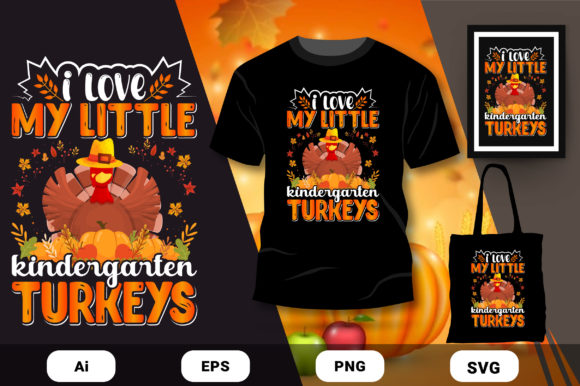
When I opened the Thanksgiving Turkeys T-shirt Design, my first thought wasn’t “cute” — it was “workable.” As someone who’s stitched hundreds of holiday designs onto everything from baby onesies to boutique aprons, I appreciate when typography-based graphics land with clarity, rhythm, and embroidery-friendly structure. This one does. The turkeys are stylized but recognizable — not overly cartoonish, not too abstract — and the lettering balances playful curves with clean legibility. It feels like a design made *for* people who sew, not just for screens. That matters when you’re planning a batch of embroidered tote bags for your local farmers’ market booth or prepping personalized sweatshirts for a school PTA fundraiser.
Fits Right Into Real Projects — Not Just Mockups
I tested the Thanksgiving Turkeys T-shirt Design across three real-world uses: a medium-weight cotton canvas tote bag (for holiday kitchen gifts), a soft fleece-lined baby sweatshirt (as a keepsake item), and a woven tea towel (for a small shop’s seasonal lineup). On the tote, it stitched cleanly at 4.5" wide — the turkeys held shape, and the text remained crisp without thread pooling. On the baby sweatshirt, I used lightweight cutaway stabilizer and reduced density slightly; the satin stitch on the turkey outlines stayed smooth, and the fill areas didn’t pucker. Even on the textured tea towel, where detail can blur, the core silhouette and key letterforms read clearly at 3.75". That versatility makes it a strong candidate for craft business owners juggling multiple product types — especially Etsy sellers who need one design to serve t-shirts, patches, and nursery decor without constant reworking.
Where It Shines — And Where to Pause
This is a Typography T-Shirts Design Vector, so its strength lies in bold shapes, confident spacing, and intentional negative space — all of which translate well to machine embroidery design. It works beautifully for:
- Custom apparel (especially crewnecks and relaxed-fit tees)
- Embroidered patches meant for aprons or backpacks
- Baby embroidery on onesies and burp cloths — the turkeys read sweet, not silly
- Holiday gifts where handmade presentation matters (think pillow covers or kitchen towels)
- Small shop merchandise that leans into warmth over whimsy
But here’s what I watched closely: the smaller turkey details and tight letter spacing. On stretchy fabrics like jersey knits, those inner curves need proper stabilization — skip the tear-away and go for cutaway + topping. On dark fabric, I recommend testing thread colors in person; some lighter shades in the vector preview don’t always pop the same way under thread. And while the design fits comfortably in a 5"x7" hoop, pushing it below 3.5" risks losing definition in the turkey beaks and tail feathers — so for caps or tiny baby hats, scale thoughtfully or simplify manually.
What It Adds to Your Finished Product
Customers notice confidence. When a Thanksgiving Turkeys T-shirt Design stitches cleanly — no skipped stitches, no fuzzy edges — it tells buyers your work is intentional and reliable. That builds trust, especially for personalized gifts or boutique branding. I’ve seen this design elevate simple items: a plain oatmeal-colored sweatshirt becomes a thoughtful hostess gift; a cream linen pillow cover gains instant holiday charm without looking mass-produced. It also supports brand consistency — whether you're selling on Etsy or at a craft fair, this design reads as cohesive, warm, and seasonally grounded, not trend-chasing or generic.
Practical Notes Every Embroidery Designer Should Check
Before stitching your first run, do these five things:
- Test on scrap fabric — especially if using textured weaves or blends. Thread tension shifts fast on uneven surfaces.
- Review stitch density — vector files don’t auto-optimize for embroidery. If your software shows heavy fill areas, consider lightening density by 10–15% for breathable fabrics.
- Confirm hoop size compatibility — the file includes EPS, SVG, AI, PNG, and JPG formats, but embroidery machines need converted stitch files. Make sure your digitizer or software handles the vector cleanly.
- Inspect small details in black-and-white mockups — color can mask readability issues. Does the “G” in “Turkeys” still read clearly at 3"? Try flipping the design to grayscale and squinting — if it blurs, adjust.
- Verify licensing — as a Graphics asset in the Print Templates category, confirm whether commercial use (e.g., selling finished embroidered items or digital embroidery files) is permitted before listing on Etsy or bundling into craft kits.
Final Thought: A Thoughtful Tool, Not Just a Trend
The Thanksgiving Turkeys T-shirt Design doesn’t try to be everything — and that’s why it works so well. It’s not overloaded with flourishes, doesn’t rely on micro-detail, and avoids trendy fonts that date quickly. For embroidery designers, small shop owners, and makers building real products — not just social media posts — that restraint is a feature, not a limitation. It leaves room for your voice: your thread palette, your fabric choices, your customer’s story. Whether you’re stitching it onto a holiday apron for your café’s staff or turning it into a limited-run patch for a local craft collective, this design stays supportive, never overwhelming. And in a season full of visual noise, that kind of quiet reliability is rare — and valuable.